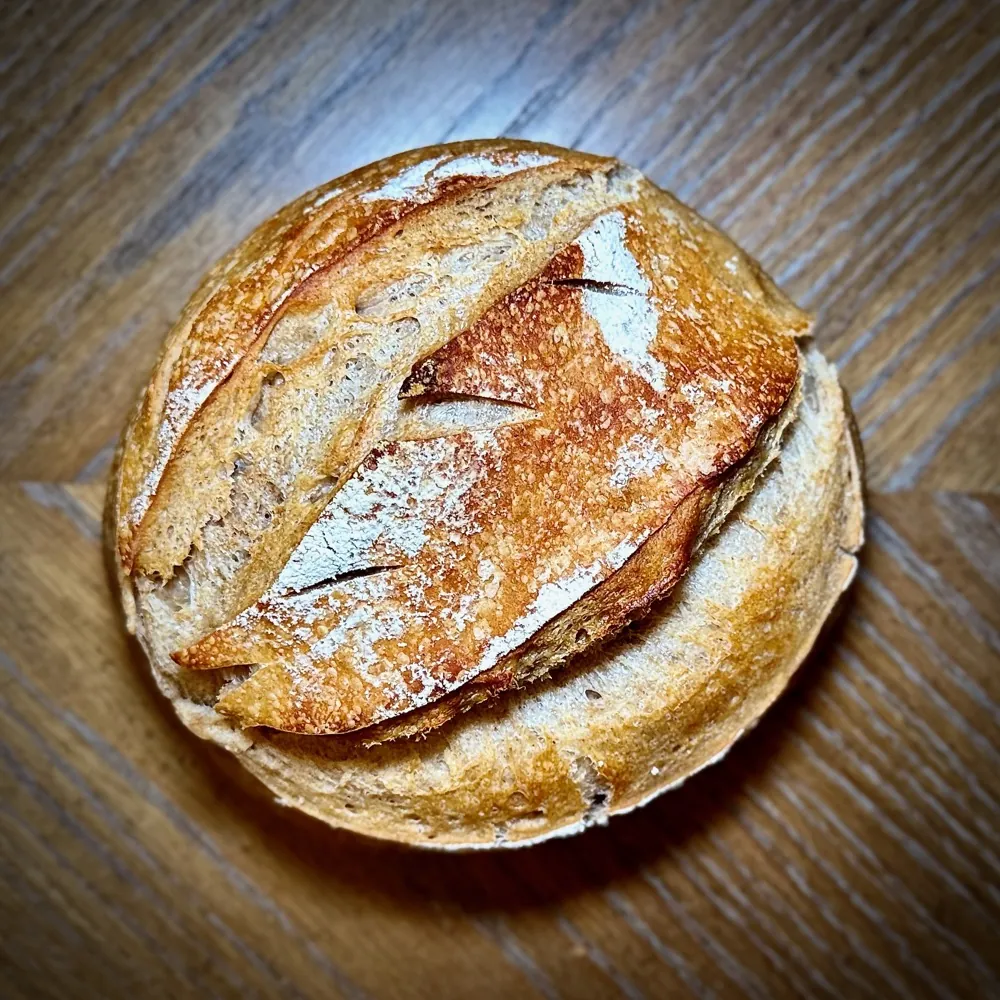
Most bread is air. This one isn't. 100% stone-milled New York rye with sprouted rye berries baked whole into the crumb — dense, dark, and slow to let go. Cut it thin — it is dense on purpose.


Naked Rye is the quiet apex of what rye can be. Pure stone-milled local rye, a twelve-hour rye starter, sprouted rye berries, and nothing else. No wheat to soften it, nothing added to lighten the grain.
Dense, dark and profoundly sour, with a crumb that deepens over four to five days. This is the loaf we bake for ourselves, and the one that sells out first.
Add to bag →Most bread is built to be light. Light bread moves through you fast — you eat it, and an hour later you are looking for something else. That is fine if you eat all day. It is a waste of a meal if you don't.
Rye works the other way. Its structure, not just its flour, is what makes it behave differently in the oven and on the board: it holds together without a gluten scaffold, which is why it comes out dense and why it wants to be cut thin. No wheat to lighten it, no molasses to sweeten it.
We push that further in three ways. We use rye and nothing else — no wheat to lighten it, nothing to soften the grain. We sprout the rye berries before they go in, waking the grain up rather than simply softening it, and bake them in whole, so your body has to work through the grain instead of past it. And we mill fresh, local and on stone, which keeps the germ and the bran where they belong instead of stripping them out for shelf life.
The result is a loaf you cut thin — and one thin slice carries you.
If you can't pronounce what's in your bread, you shouldn't eat it. Here is the whole list, nothing hidden, nothing you need a chemistry degree to read.
100% New York stone-ground rye, with sprouted rye berries baked whole into the crumb. No wheat. No commercial yeast. No preservatives.


This is rye stripped to its essence: whole grain, sprouted berries, nothing softened. The densest and slowest loaf we bake, and the reason people drive across the valley for it.

Whole rye plus sprouted berries is the densest thing we bake. No wheat to lighten it and no molasses to sweeten it, which is why it wants to be cut thin.

No wheat, no sugar, no sharp rise and fall. Energy arrives slowly and leaves slowly, so there is no hour‑later crash sending you back to the kitchen.

Before the rye berries go into the dough we sprout them, so the grain stops being a seed and starts being alive. Then it bakes in whole — antioxidants, iron, magnesium and zinc carried in the living berry itself.

Stone‑ground New York rye, milled slow and cool so the germ and bran stay in. Industrial white flour strips both out to survive a warehouse. Ours does not have to.
Real sourdough carries no preservatives, so it lives on its own clock. The good news: it takes to the freezer better than any other bread. Here is how to keep every slice tasting like it just left the oven.
Keep it cut‑side down on a board or in a paper bag at room temperature for 4–5 days. Skip the fridge — cold air actually stales bread faster.
Slice it first, then freeze in a sealed bag for up to 3 months. Because it is naturally fermented, it thaws back with its crumb and flavour intact.
Straight from frozen into a toaster, oven or air fryer for 3–5 minutes. The crust crackles back to life and it tastes fresh‑baked again — no thawing needed.
Still good on day five. Rye holds its moisture in a way wheat cannot, so this loaf does not race you: day one it is tight and sharp, by day three rounder and sweeter, and on day five it is still very much bread. If you are eating smaller portions these days, this is the loaf that will not go to waste on you.
From quiet breakfasts to long, loud tables, this is where the loaf belongs.


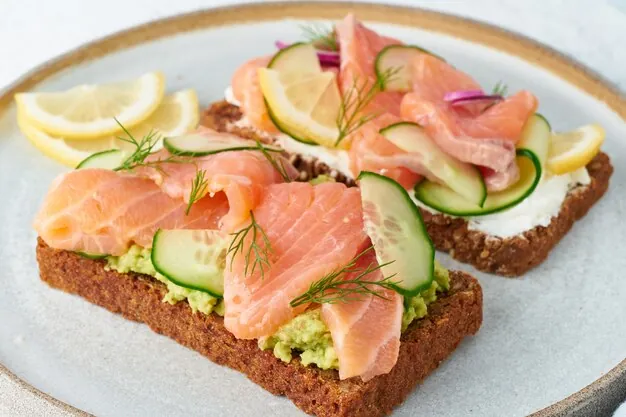
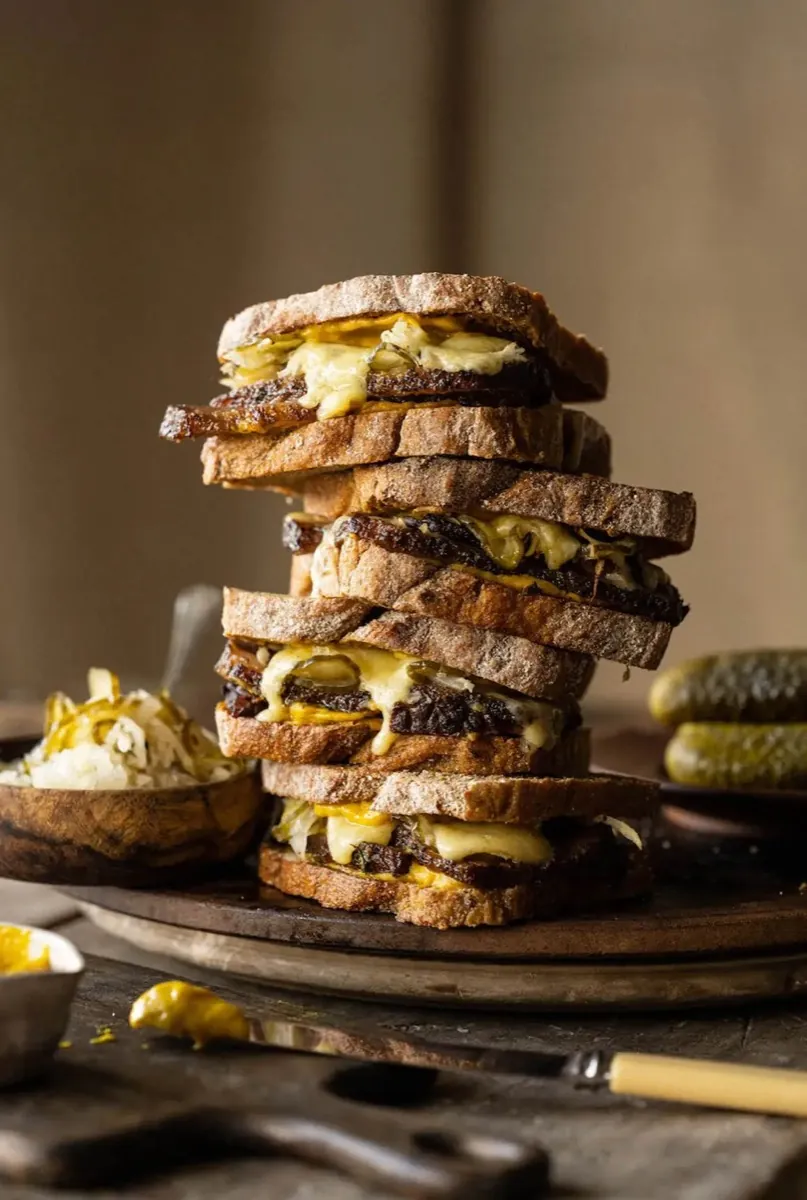
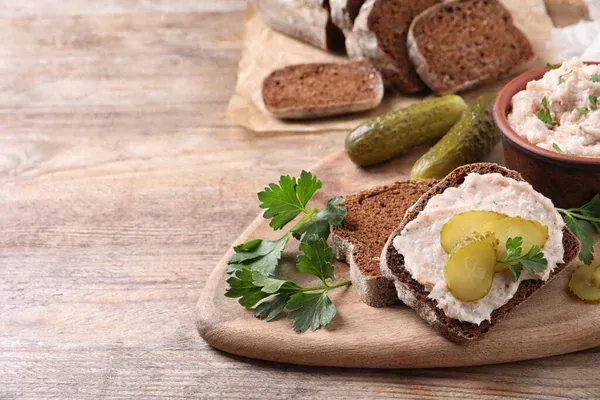
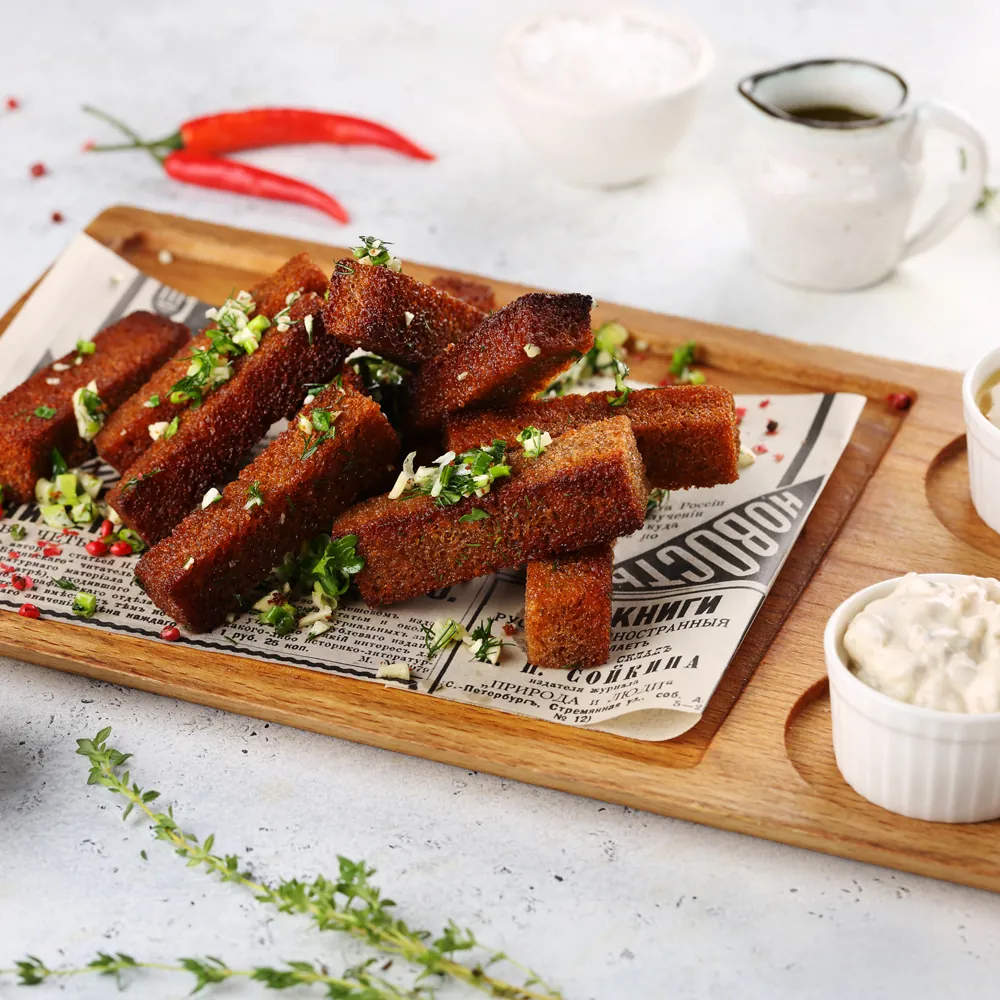
From a Danish smørrebrød to five-minute garlic croutons, here's where rye shines. Swipe through, then tap a card for the full recipe.
Most “rye” on a shelf is wheat bread wearing a costume. Here is what actually separates the two.
Baked fresh every Tuesday, hand-delivered within ~15 miles of New Windsor. Order through Sunday.