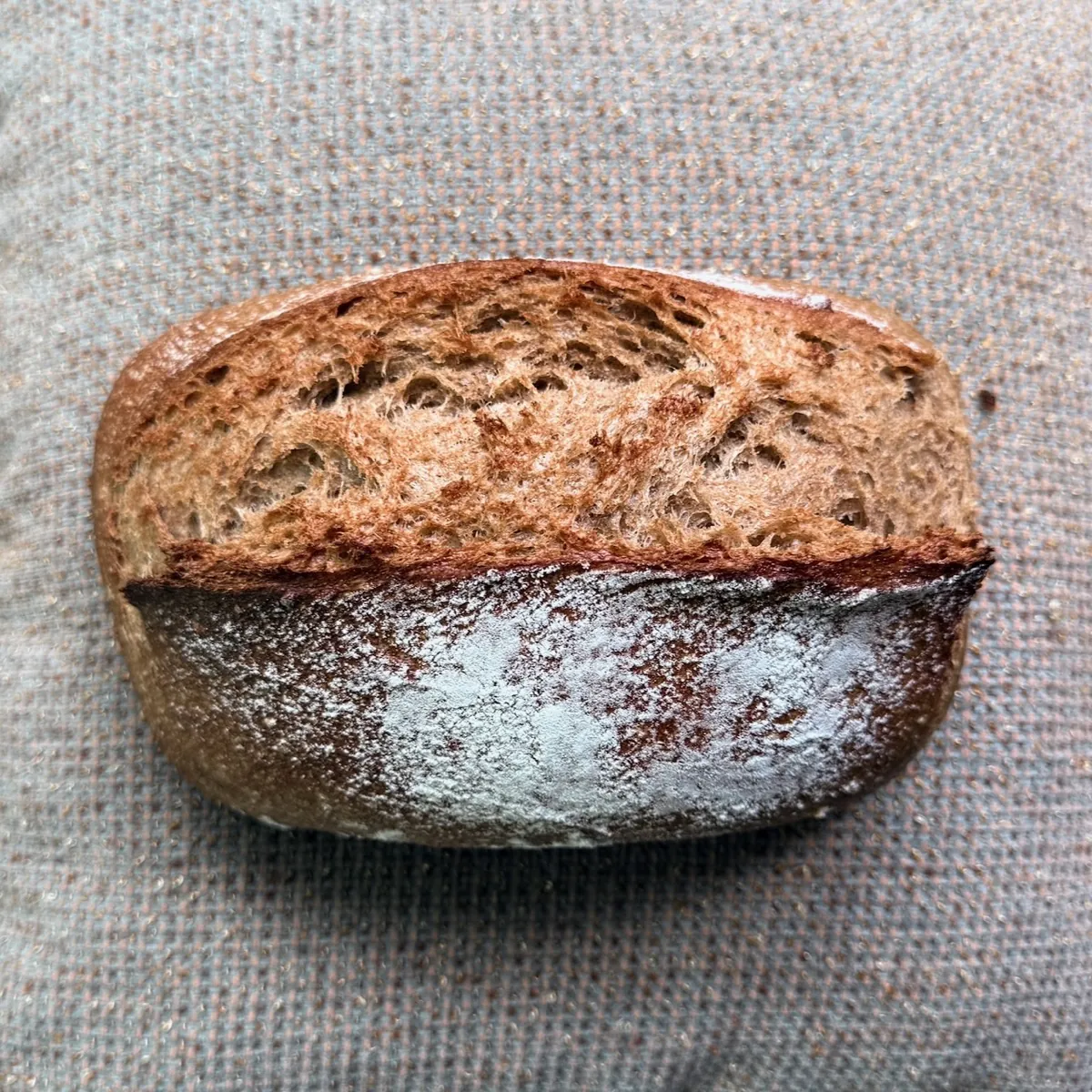
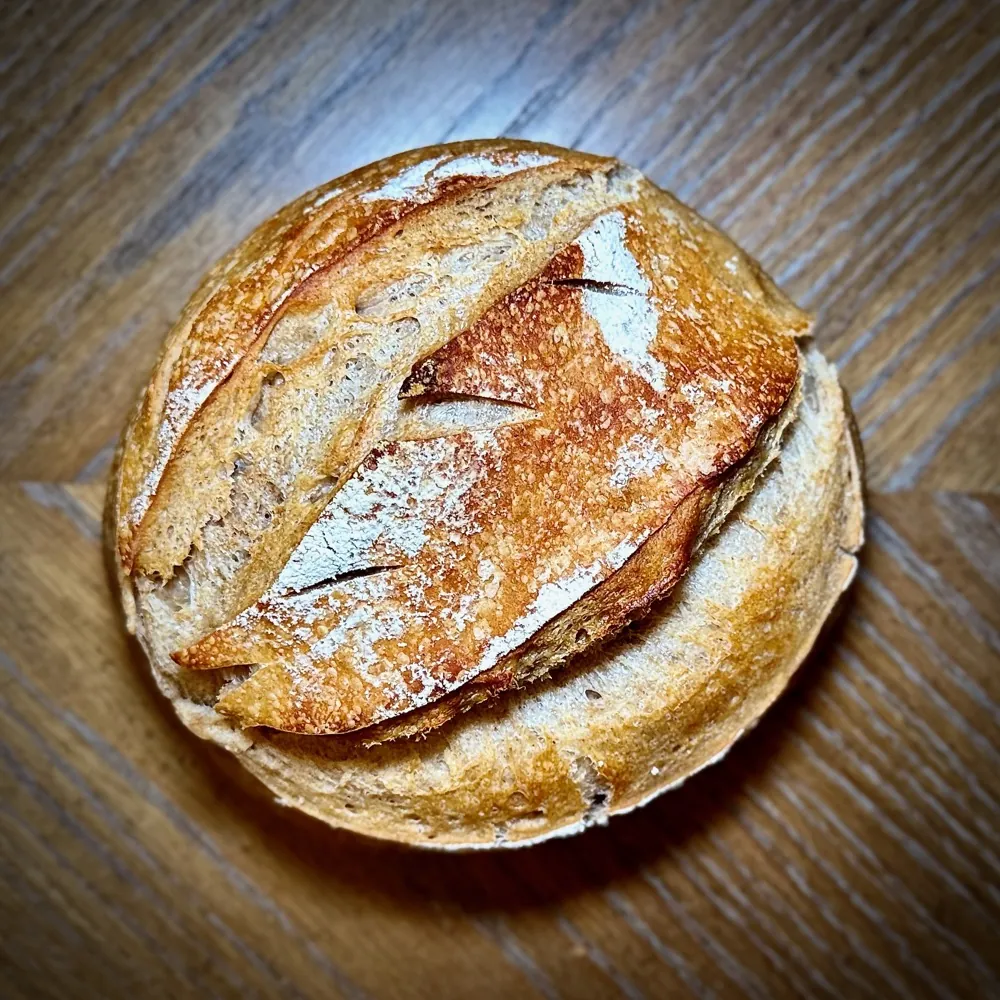
Dark, deep and a little tangy. Fermented a day and a half on stone-ground local grain — made gut-first, by people you can name.


Rye doesn't shout. Dark, earthy, a little tangy — the kind of slice you eat slowly and remember.
The crust cracks. The crumb is close and moist. The aroma is the one your grandmother's kitchen had.
It's not the gluten. It's the hurry. A supermarket loaf is made inside a single shift. Ours takes 24–36 hours — the time fermentation needs to work through what makes ordinary bread sit heavy.
Add to bag →If you can't pronounce what's in your bread, you shouldn't eat it. Here is the whole list, nothing hidden, nothing you need a chemistry degree to read.
Listed in order of how much goes in. The starter is flour and water we have been feeding for years; the molasses is there for colour and a deeper, mellow flavour. No commercial yeast. No preservatives. No shortcuts.


For over twenty years Don Lewis has been bringing grain back to the Hudson Valley. On Wild Hive Farm in Clinton Corners he grows heritage grain and stone-mills it fresh — including the whole wheat in this loaf.
Stone-milling keeps the grain whole instead of stripping it to white starch. Our flour never travels far, and never sits for months.
“We took the initiative, we did the research for you. This is the best product for you.”
Rye is the slowest, steadiest grain we bake with. Whole, stone-ground, and given a day and a half to ferment — that is where the balance comes from, and why we named this loaf the Balanced Guardian.

Fiber lives in the bran — the outer layer of the grain, and the first thing industrial refining strips away. We use whole stone-ground grain, so it stays where it belongs: in the loaf. That is the slow-burn fuel your gut bacteria feed on.

The long ferment does part of the work before you do, breaking down the fructans and proteins people usually blame on gluten. We won't promise you how it will feel. Eat it for a week and let your gut answer.

Iron, magnesium, zinc and selenium — rye carries far more of them than white flour. Long fermentation breaks down phytic acid, the compound in grain that otherwise keeps those minerals locked up.

Whole grain and long fermentation both slow a loaf down. We make no claims about your afternoon — only that this slice is built to give up its energy gradually rather than all at once.
Real sourdough carries no preservatives, so it lives on its own clock. The good news: it takes to the freezer better than any other bread. Here is how to keep every slice tasting like it just left the oven.
Keep it cut‑side down on a board or in a paper bag at room temperature for 4–5 days. Skip the fridge — cold air actually stales bread faster.
Slice it first, then freeze in a sealed bag for up to 3 months. Because it is naturally fermented, it thaws back with its crumb and flavour intact.
Straight from frozen into a toaster, oven or air fryer for 3–5 minutes. The crust crackles back to life and it tastes fresh‑baked again — no thawing needed.
Our tip: portion a loaf the day it arrives, freeze what you will not finish that week, and revive slice by slice. You get bakery-fresh bread on a Wednesday morning without ever standing in a queue.
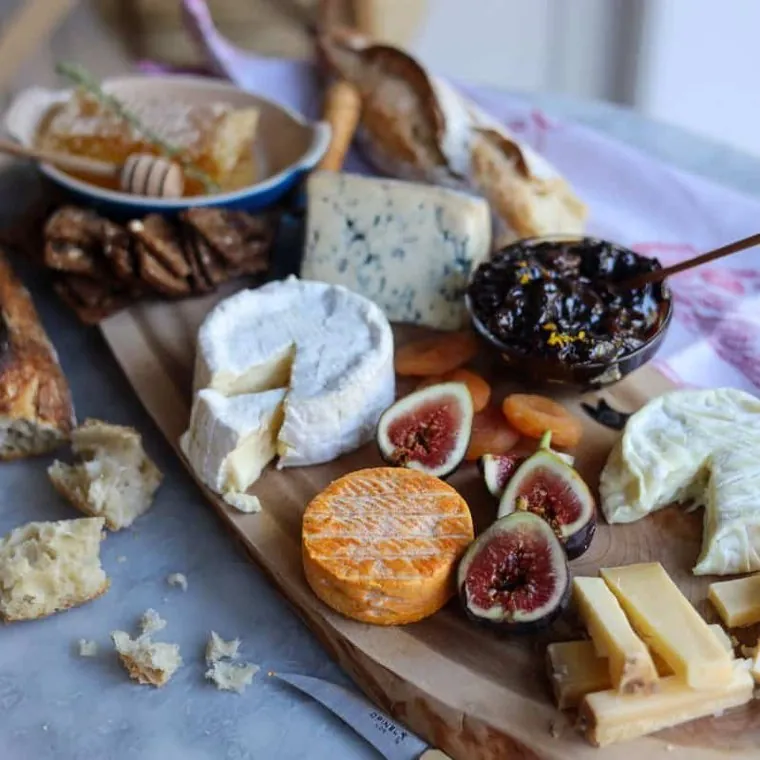
From quiet breakfasts to long, loud tables, this is where the loaf belongs.


Most “rye” on a shelf is wheat bread wearing a costume. Here is what actually separates the two.
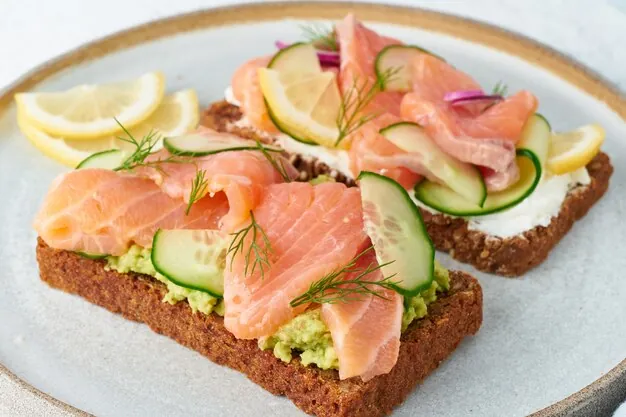
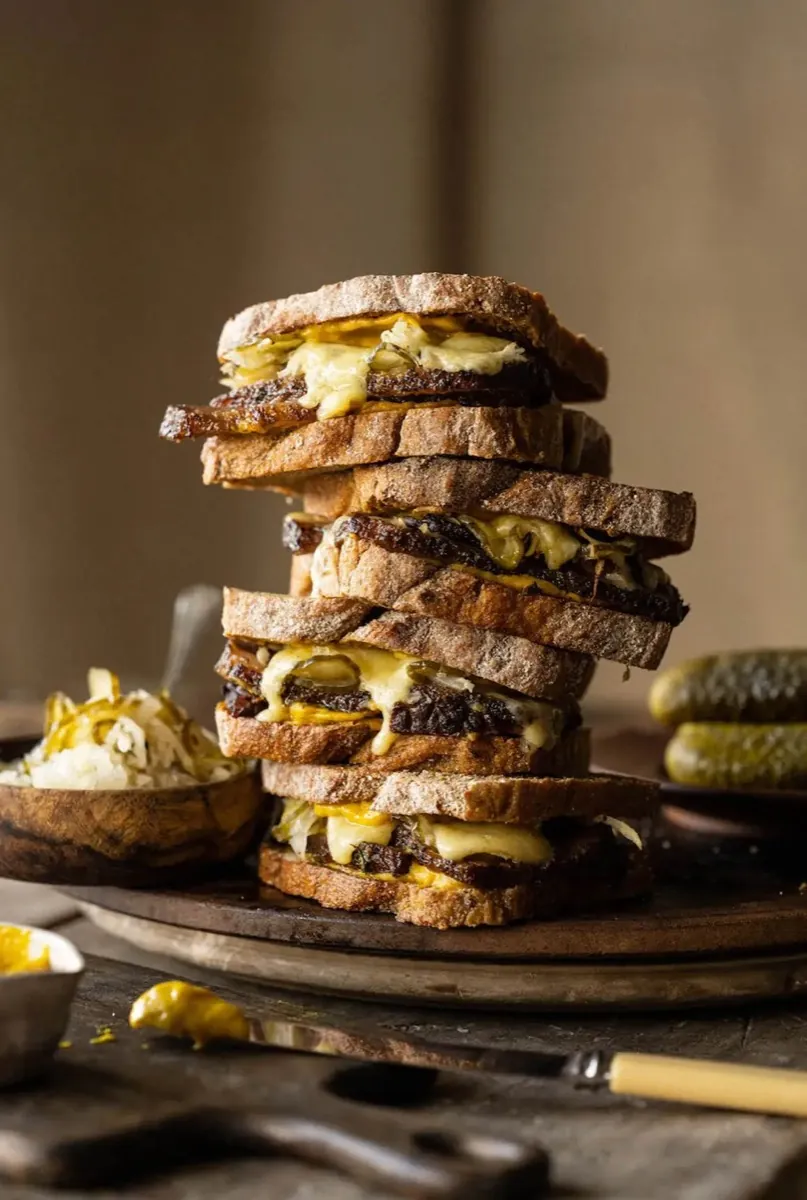
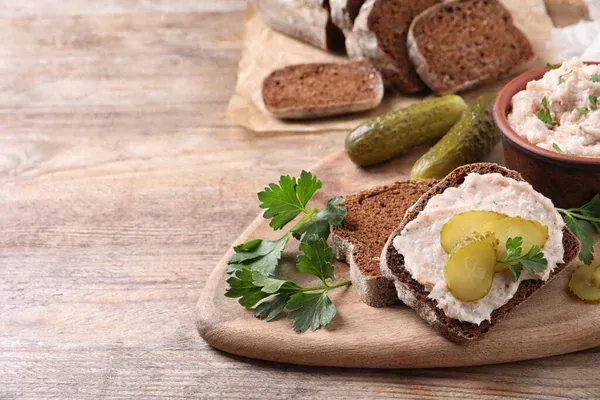
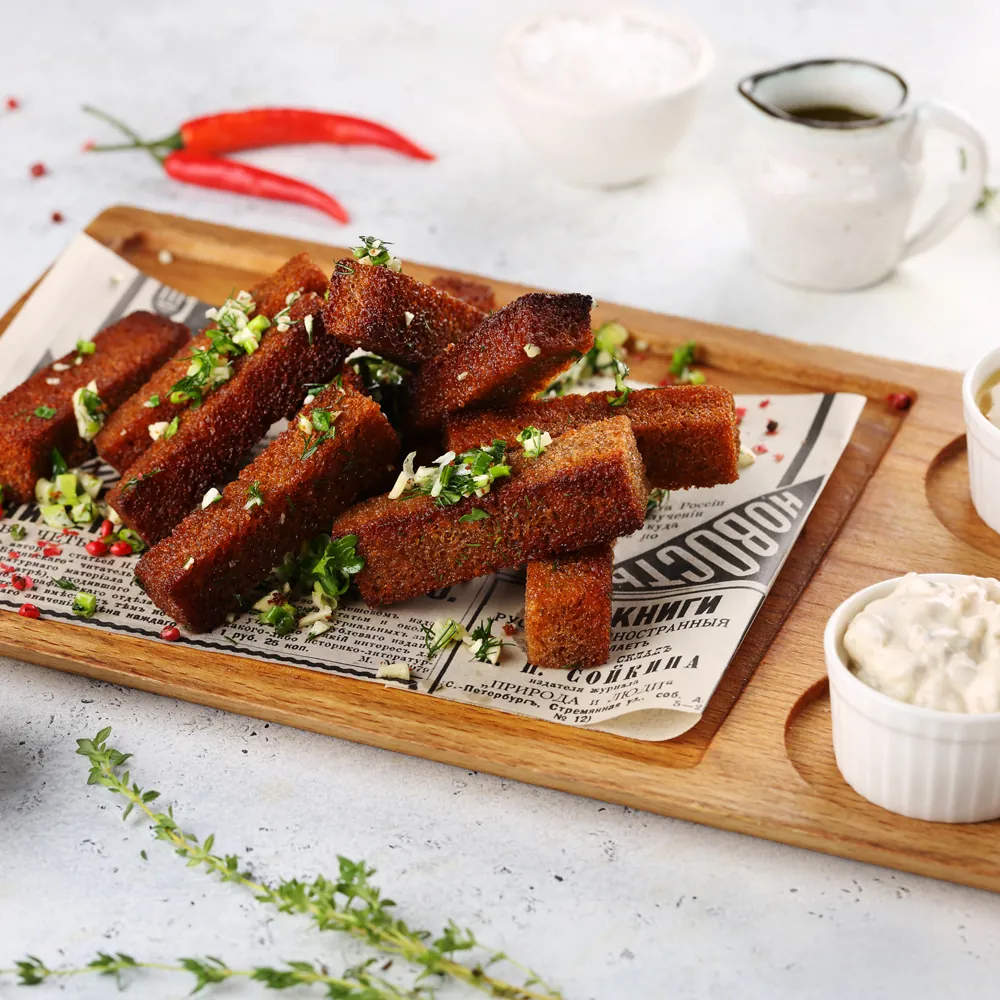
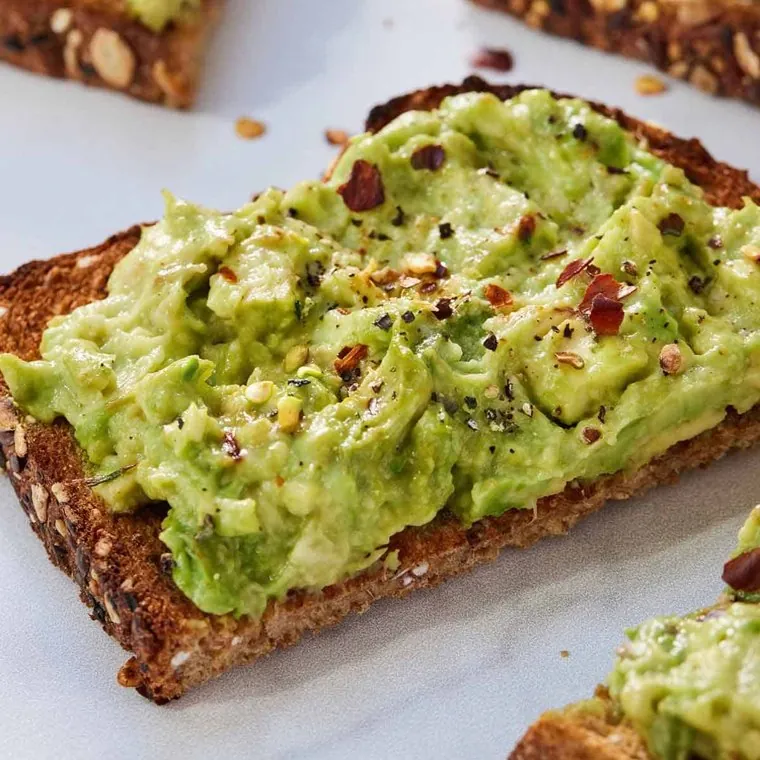
From a Danish smørrebrød to five-minute garlic croutons, here's where rye shines. Swipe through, then tap a card for the full recipe.

Our flagship. Crackly crust, airy crumb that catches butter just right.

100% stone-milled local rye + rye berries. The loaf bakers bake for themselves.

The sweet one that is still bread. Slow-fermented, cinnamon and plump raisins.

Sourdough rolls, soft the whole way through. Set of 4.

Soft middle, crisp edge, dark chocolate and flaky salt. Set of 4.
Baked fresh every Tuesday, hand-delivered within ~15 miles of New Windsor. Order through Sunday.