 01
01Lower blood-sugar spike
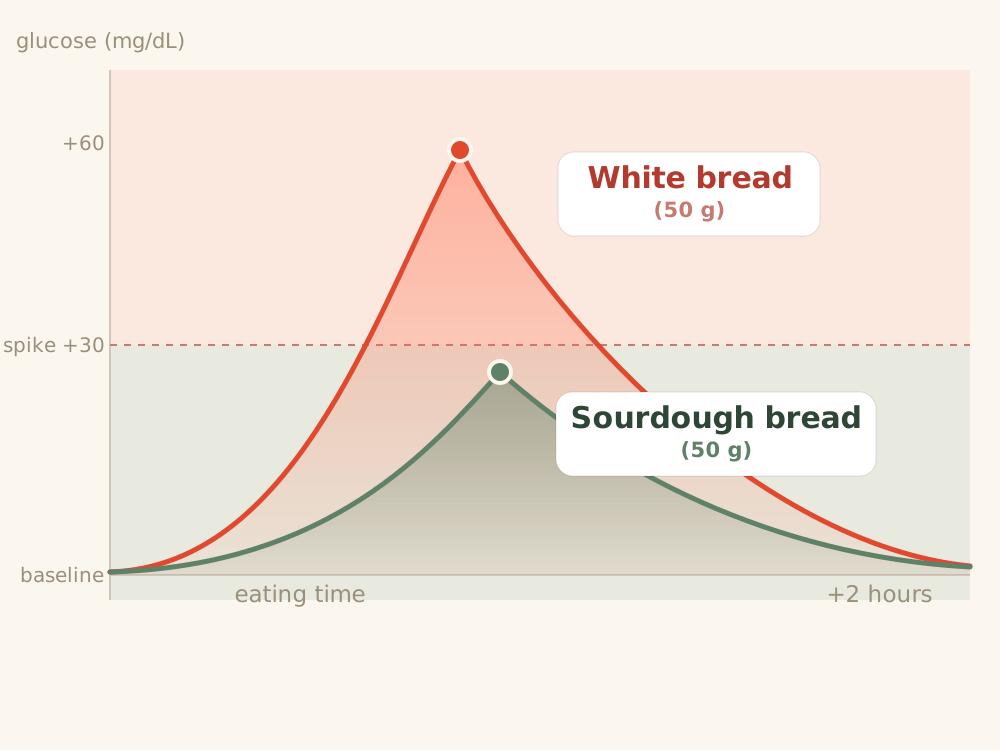
Sourdough fermentation flattens the post-meal glucose curve versus regular bread, and the effect is strongest with whole wheat.
Source: Meta-analysis, 18 trials →Most people who feel bloated and sluggish after bread are not reacting to bread itself. They are reacting to how it is made.
Modern life runs on ultra-processed food and bread that is mixed, proofed and baked in a single industrial shift. That fast, low-quality gluten never gets the time to break down, so your body has to do all the work. The result is the bloating, the heaviness, the discomfort so many people just accept as normal.
It does not have to be that way. For thousands of years bread was made slowly, with wild fermentation, and people ate it every day.
This is the whole reason Lagomberry exists. We use quality, freshly milled flour and let every loaf ferment naturally for a full day or more on our wild starter. No commercial yeast, no dough conditioners, no shortcuts. Here is what that actually does for your digestion.
01Sourdough fermentation flattens the post-meal glucose curve versus regular bread, and the effect is strongest with whole wheat.
Source: Meta-analysis, 18 trials →
The long, slow ferment breaks down phytic acid and frees up the magnesium, zinc and phosphorus locked in the grain. Those minerals switch on the enzymes that power your energy, your muscles and nerves, and a healthy heart.
Source: J. Agric. Food Chem. →
Slow fermentation lowers FODMAPs (fructans), so real sourdough is often tolerated by people who react to ordinary bread.
Source: Clinical study, IBS →
Wild lactobacilli break down much of the gluten during the long ferment, easier on the gluten-sensitive (not safe for coeliacs).
Source: Research review →
Eating whole grains is tied to lower heart-disease and diabetes risk: about 90 g a day, roughly 20% lower coronary risk.
Source: BMJ, 45 studies →
A low glycemic load plus the natural fermentation acids slow digestion, so you stay full and even, with no spike and crash.
Source: Meta-analysis →One simple habit: eat real bread, feel the difference.
No heaviness. No discomfort. Just food the way it should be, on your table every week.
An honest note. We are bakers, not doctors, and we do not make medical claims. Everything we bake contains gluten: a long ferment changes it, it does not remove it, so our bread is not safe if you have coeliac disease. For everyone else curious about feeling lighter, real sourdough is a very good place to start.